
How Much Does a Bathroom Remodel Cost in Walnut Creek? A 2026 Homeowner’s Guide
Bathroom size, layout changes, waterproofing, materials and existing conditions all shape your renovation budget. Learn what to consider before requesting an estimate.
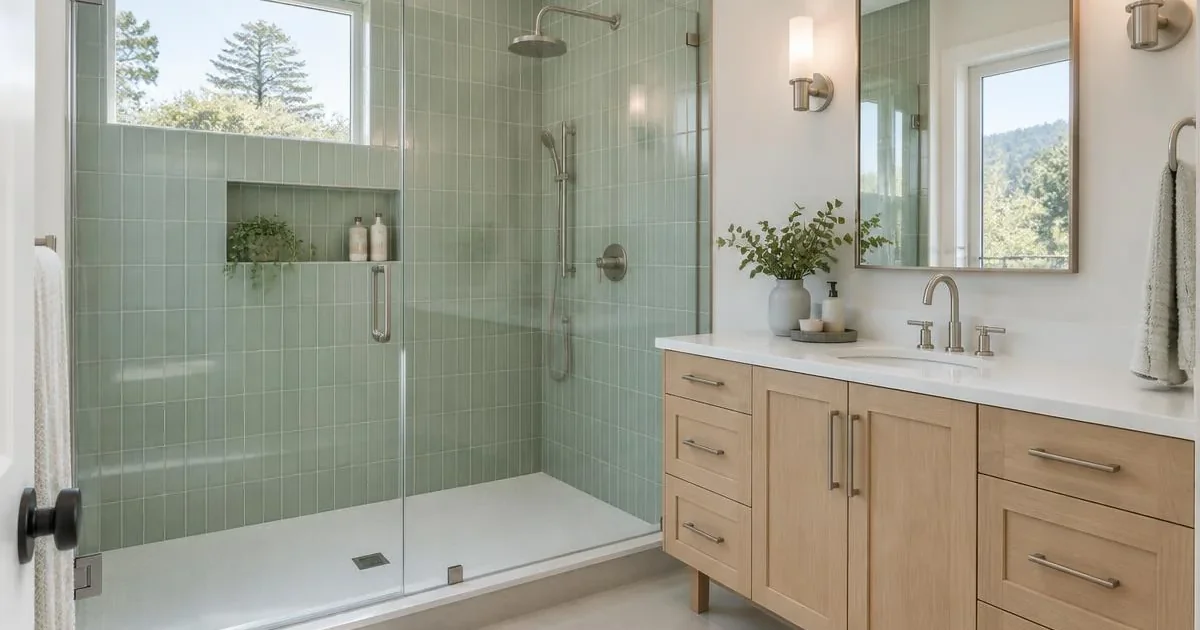
Planning a bathroom remodel in Walnut Creek? Whether you're updating an outdated guest bathroom, replacing a bathtub with a walk-in shower, or redesigning your primary bathroom, one of the first questions is usually the same: How much will the renovation cost?
The answer depends on the size of your bathroom, the condition of the existing space, the materials you select, and how much plumbing, electrical, or structural work is involved.
Two bathrooms of similar size can have very different remodeling costs. A project that keeps the current layout may require less extensive work than one that moves the shower, replaces aging plumbing, and completely reconfigures the room.
For homeowners in Walnut Creek and nearby East Bay communities, understanding these cost factors is an important first step toward planning a bathroom renovation. An East Bay bathroom renovation cost estimate should reflect your home's existing conditions and the work you actually want completed.
Here's what you should know before requesting an estimate.
What Determines Bathroom Remodeling Costs in Walnut Creek?
Bathroom remodeling costs are influenced by several important factors.
- Bathroom size and overall scope
- Existing plumbing and electrical conditions
- Layout changes and fixture relocation
- Shower and bathtub selections
- Waterproofing and tile installation
- Vanity, cabinetry, and countertop materials
- Ventilation and lighting upgrades
- Permitting and required inspections
- Unexpected conditions discovered during demolition
The most accurate way to understand your potential investment is to have a qualified contractor evaluate your bathroom and define the scope of work.
1. Cosmetic Updates vs. Full Bathroom Renovations
Not every bathroom needs a complete renovation.
Cosmetic bathroom updates may include replacing mirrors, lighting, hardware, vanities, and selected finishes while keeping the existing layout.
A full bathroom remodel may involve removing existing finishes, replacing the shower or bathtub, updating plumbing and electrical systems, installing new waterproofing, and rebuilding significant portions of the room.
Full renovations generally require more labor, materials, and coordination than surface-level updates.
Before deciding on a budget, determine whether your goal is to refresh the appearance of the space or improve its functionality through a larger renovation.
2. Layout Changes Can Increase Remodeling Costs
Keeping the shower, bathtub, toilet, and vanity in their existing locations can help limit the scope of plumbing modifications.
Moving fixtures may require changes to water supply lines, drain locations, framing, flooring, and other systems.
For example, converting a traditional bathroom layout into a larger walk-in shower may involve more than selecting new tile and glass.
A contractor should evaluate whether the proposed layout works with the existing space and plumbing conditions.
A well-planned layout can improve daily functionality, but those improvements should be considered alongside the additional work required.
3. Walk-In Shower Remodels and Bathtub Conversions
Walk-in showers are a popular consideration for homeowners who want a more open bathroom layout, easier access, or a contemporary appearance.
Depending on the design, a shower renovation may include:
- Removing the existing tub or shower
- Modifying plumbing connections
- Preparing the shower floor and drainage
- Installing the appropriate waterproofing system
- Adding wall and floor tile
- Installing shower fixtures and glass enclosures
- Completing required inspections
The materials you select and the complexity of the installation can significantly affect the final scope.
For homeowners considering a tub-to-shower conversion, the most important decisions involve the layout, drainage, waterproofing, accessibility, and long-term maintenance.
4. Waterproofing Is an Essential Part of the Budget
A bathroom should perform as well as it looks.
Waterproofing is especially important in showers and other wet areas because poorly executed installations can lead to moisture intrusion and costly damage.
Proper shower construction requires attention to the selected waterproofing system, shower pan, drainage, installation details, and manufacturer requirements.
These are not areas where homeowners should prioritize appearance over construction quality.
When comparing bathroom remodeling estimates, ask what waterproofing system is included and how installation quality will be verified.
5. Tile, Vanities, and Fixtures Affect Material Costs
Bathroom materials come in a wide range of styles, specifications, and price points.
Some of the most common selections include:
Tile: Material size, layout, pattern complexity, and installation requirements can affect labor and material costs.
Vanities: Standard-size vanities and custom cabinetry can have very different costs and installation requirements.
Countertops: Material selection, fabrication, edge details, and sink configuration all contribute to the scope.
Plumbing fixtures: Shower systems, faucets, toilets, and sinks vary in quality, features, and installation complexity.
Glass enclosures: Custom shower glass requires accurate measurements and installation coordination.
Selecting materials early in the design process can help keep the overall project aligned with your budget.
6. Plumbing, Electrical, and Ventilation Upgrades
A bathroom remodel often involves systems that are not immediately visible.
Older or existing plumbing may need modifications to accommodate new fixtures or layouts. Electrical work may be required for improved lighting, outlets, or other features.
Ventilation is another important consideration.
A properly designed ventilation system helps manage bathroom moisture and supports the long-term performance of the renovated space.
Your contractor should evaluate the existing systems and determine what work is necessary for the proposed renovation.
7. Do Bathroom Remodels Require Permits in Walnut Creek?
Some bathroom remodeling projects require permits, particularly when the work involves changes to plumbing, electrical systems, or structural components.
The exact requirements depend on the project scope and the jurisdiction.
Confirm the current code requirements and permit application process with the City of Walnut Creek's building department for your project; requirements may depend on the work proposed and when you apply.
Before starting construction, it is important to verify which permits and inspections apply to your specific renovation.
Working with a design-build contractor can simplify coordination between design, documentation, permitting, and construction.
For more information, read our guide: Does My Remodel Need a Permit in Walnut Creek?
8. Hidden Conditions That Can Affect Your Remodeling Budget
Some conditions cannot be fully evaluated until demolition begins.
Depending on the age and history of the home, contractors may encounter:
- Existing water damage
- Deteriorated framing or subfloor materials
- Aging plumbing
- Previous renovations that require correction
- Electrical installations needing updates
- Unexpected structural or moisture-related issues
Not every bathroom contains these problems, but homeowners should understand how unexpected conditions are addressed.
Discussing possible contingencies before construction begins can help establish clearer expectations.
9. How to Compare Bathroom Remodeling Estimates
The lowest estimate is not always the most complete estimate.
When choosing a bathroom remodel contractor in Walnut Creek, compare what each proposal includes rather than looking only at the total.
Ask whether the estimate addresses:
- Demolition and debris removal
- Plumbing and electrical modifications
- Shower waterproofing
- Tile materials and installation
- Vanity, countertop, and fixture installation
- Ventilation and lighting
- Permits and inspections
- Painting and finishing details
- Material allowances and exclusions
- Change-order procedures
A written, itemized scope makes it easier to understand what you are paying for and identify differences between competing proposals.
For additional guidance, read our remodeling contractor selection guide.
10. How Long Does a Bathroom Remodel Take?
Bathroom remodeling timelines depend on the amount of work required.
A limited refresh may involve fewer stages than a full renovation requiring demolition, plumbing modifications, inspections, waterproofing, and extensive tile installation.
Material availability, design decisions, inspection scheduling, and unexpected conditions may also affect the timeline.
Homeowners should discuss project sequencing and anticipated disruption with their contractor before work begins.
A clear construction schedule helps establish expectations and makes it easier to prepare for periods when the bathroom may be unavailable.
Why Homeowners Choose Bay Harbor Remodeling and Construction
At Bay Harbor Remodeling and Construction, we help homeowners throughout Walnut Creek and the East Bay plan and complete bathroom renovations with a coordinated design-build approach.
Our bathroom remodeling services include:
- Primary bathroom renovations
- Guest and hall bathroom remodeling
- Walk-in shower installations
- Bathtub-to-shower conversions
- Tile and waterproofing
- Vanity and storage installation
- Plumbing and electrical updates
- Permitting coordination where required
Our approach brings design, permitting, and construction together through one accountable team.
We emphasize clear project scopes, itemized budgets, and communication throughout the remodeling process.
Learn more about our bathroom remodeling services in Walnut Creek and the East Bay.
bathroom remodeling services in Walnut Creek and the East Bay →
Frequently asked questions
- How much should I budget for a bathroom remodel in Walnut Creek?
- Your budget depends on bathroom size, scope, layout changes, plumbing and electrical conditions, materials, and labor requirements. A site-specific assessment helps establish a more realistic estimate for your project.
- Is a walk-in shower more expensive than a bathtub?
- Not necessarily. Costs depend on the products selected, the existing layout, plumbing requirements, waterproofing, tile, and glass installation.
- Can I remodel my bathroom without moving the plumbing?
- Yes. Many bathroom renovations retain the existing fixture locations. This can help reduce the need for extensive plumbing relocation, although other plumbing updates may still be necessary.
- Do I need a permit to remodel my bathroom in Walnut Creek?
- It depends on the work involved. Plumbing, electrical, and structural changes may require permits. Check the requirements with the applicable building department before construction begins.
- Can I stay in my home during a bathroom remodel?
- In many situations, homeowners can remain in the house, especially if another functioning bathroom is available. The decision depends on the scope of construction, access, utilities, and household needs.
- Does Bay Harbor offer bathroom remodeling estimates?
- Yes. Bay Harbor offers free estimates and on-site walkthroughs for homeowners planning remodeling projects in Walnut Creek and surrounding East Bay communities.