
How Much Does a Kitchen Remodel Cost in Walnut Creek?
Cabinetry, countertops, layout changes, plumbing, electrical work and existing conditions all shape a kitchen remodeling budget. Here's what Walnut Creek and East Bay homeowners should consider before requesting an estimate.
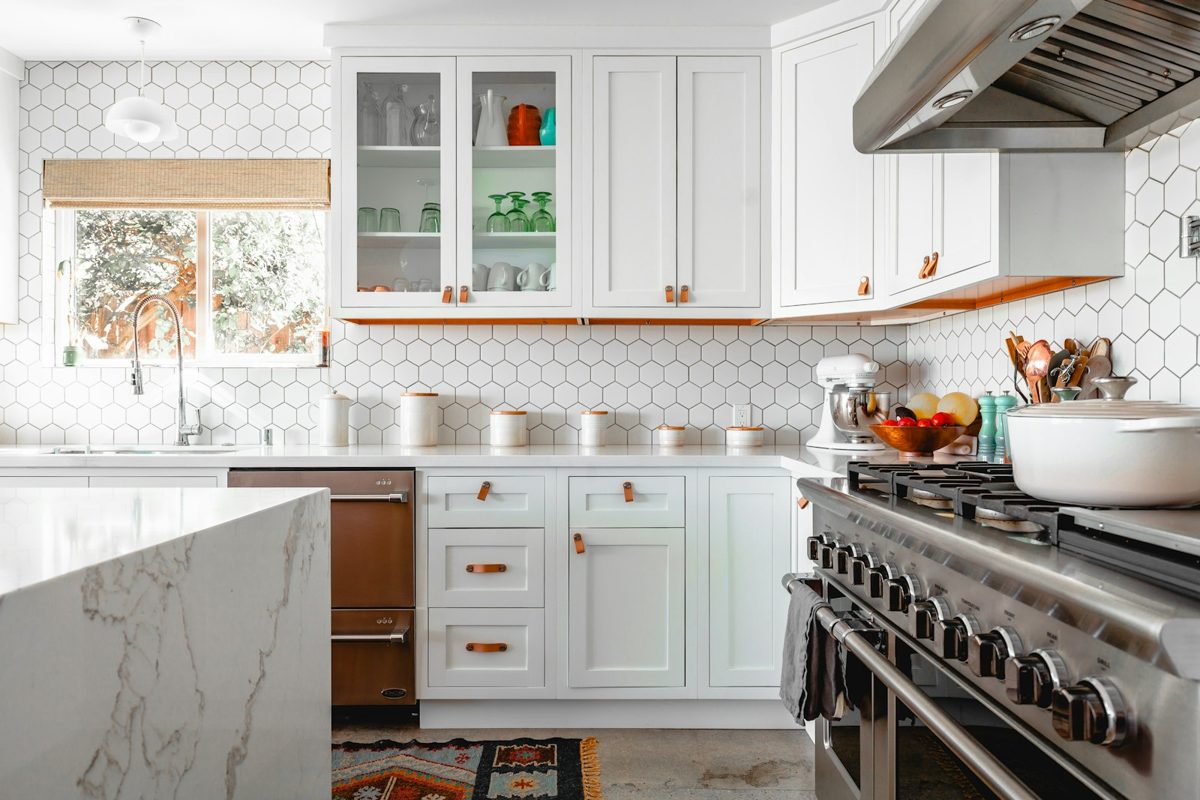
Planning a kitchen remodel in Walnut Creek often starts with one important question: How much is it going to cost?
The answer depends on more than the size of your kitchen. Cabinetry, countertops, layout changes, plumbing, electrical work, and the condition of the existing space can all influence the final price.
Two kitchens with similar square footage may require very different budgets. One homeowner might be updating existing finishes, while another is opening walls, relocating appliances, and completely redesigning the space.
Understanding these differences before requesting an estimate can help you plan a more realistic budget and make informed decisions.
Here's what Walnut Creek and East Bay homeowners should consider before starting a kitchen renovation.
1. The Type of Kitchen Remodel Has a Major Impact on Cost
Not every kitchen renovation involves the same amount of construction.
Understanding the scope of your project is one of the first steps toward estimating its potential cost.
Cosmetic Kitchen Updates
A cosmetic update focuses on improving the appearance of an existing kitchen without significantly changing its layout.
This might include:
- Painting or refinishing existing cabinets
- Replacing cabinet hardware
- Updating light fixtures
- Installing a new backsplash
- Replacing countertops
- Refreshing selected finishes
These improvements generally involve fewer construction changes than a complete kitchen renovation.
However, even cosmetic work should be evaluated carefully when existing surfaces, electrical connections, or underlying conditions are involved.
Mid-Range Kitchen Renovations
A more substantial renovation may include replacing cabinets, countertops, flooring, appliances, and lighting while maintaining most of the existing kitchen layout.
Keeping major plumbing and appliance locations in place can sometimes reduce the extent of construction.
The specific cost still depends on material choices, cabinetry specifications, demolition needs, and existing conditions.
Complete Kitchen Remodeling
A full kitchen remodel may involve redesigning the entire space.
This can include:
- Moving or removing walls
- Reconfiguring the kitchen layout
- Relocating plumbing
- Modifying electrical circuits
- Installing new cabinetry
- Adding or changing a kitchen island
- Replacing flooring and finishes
- Coordinating required permits and inspections
More extensive renovations can involve engineering, additional trades, and greater coordination.
The important takeaway is that a kitchen remodeling budget should be based on the actual scope of work rather than square footage alone. Our kitchen remodeling service page explains how we approach each of these project types.
2. What Factors Affect Kitchen Remodeling Costs in Walnut Creek?
Several components can influence the total cost of a kitchen renovation.
Cabinets and Storage
Cabinetry is often a significant part of a kitchen remodeling budget.
Stock, semi-custom, and custom cabinetry offer different levels of flexibility in sizing, materials, and storage configuration.
Cabinet costs may also be affected by:
- Number of cabinets
- Cabinet construction and finish
- Drawer organizers
- Pantry storage
- Specialty hardware
- Installation requirements
A well-planned kitchen should prioritize storage that fits your everyday routine, not simply the maximum number of cabinets.
Countertop Materials
Countertop selection influences both the appearance and functionality of a kitchen.
Common options include quartz, granite, and butcher block.
Each material comes with different considerations for maintenance, durability, appearance, fabrication, and installation.
Countertop dimensions, edge details, cutouts, and backsplash integration can also influence the work involved.
Kitchen Layout Changes
Changing the kitchen layout can improve circulation and functionality, but it may also increase construction complexity.
For example, moving a sink or changing appliance locations may require adjustments to plumbing, drainage, electrical connections, or other systems.
Removing a wall may require a structural assessment and additional work, depending on how the home was built.
Before committing to an open-concept layout or a larger island, homeowners should understand how these changes affect the overall scope.
Plumbing and Electrical Work
Kitchen remodeling may require updates to support new appliances, lighting, outlets, and plumbing fixtures.
Older homes can have existing systems that need closer evaluation before work begins.
The level of work required depends on the current installation, proposed changes, and applicable code requirements.
Identifying these considerations early can reduce surprises during construction.
Flooring, Backsplash, and Finishing Details
Smaller design decisions can add up when they are combined across an entire renovation.
Flooring materials, tile patterns, backsplash coverage, trim details, and installation requirements can all influence the project's budget.
Choosing finishes that work together can help homeowners maintain a cohesive design without making unnecessary upgrades.
3. Does Keeping Your Existing Kitchen Layout Save Money?
Keeping major plumbing, electrical, and appliance locations in place can sometimes reduce the amount of construction required.
For example, replacing cabinets and countertops without relocating a sink may involve less work than moving the sink to a new island.
However, keeping an existing layout does not automatically make a renovation inexpensive.
Cabinet specifications, materials, demolition, damaged surfaces, and underlying conditions can still affect the budget.
The right decision depends on how well the current layout serves your household.
If the existing kitchen has poor circulation, limited preparation space, or inadequate storage, redesigning the layout may be worth evaluating.
The goal should be to invest in changes that meaningfully improve how the kitchen functions.
4. What About Kitchen Remodeling Permits in Walnut Creek?
Permit requirements depend on the specific work involved and the jurisdiction responsible for the property.
Projects involving changes to electrical systems, plumbing, gas lines, or structural elements may require permits and inspections.
More limited finish updates may be treated differently, depending on the scope.
Homeowners should not assume that every kitchen remodel has the same permitting requirements.
For Walnut Creek projects, the proposed work should be reviewed against the applicable local building requirements before construction begins.
Bay Harbor Remodeling & Construction includes permit coordination as part of its kitchen remodeling services when required.
Discussing permitting early helps homeowners understand what documentation, review, and inspection steps may be necessary.
5. How to Plan a Kitchen Remodeling Budget
A useful budget starts with priorities rather than finishes.
Before choosing countertops or cabinet colors, consider what you want your new kitchen to accomplish.
Identify Your Biggest Problems
Ask yourself:
- Is the current layout difficult to use?
- Do you need more storage?
- Is there enough countertop workspace?
- Are your appliances in practical locations?
- Is the lighting sufficient?
- Are certain materials worn out or difficult to maintain?
Identifying the issues that matter most can help you avoid paying for changes that do not improve your everyday experience.
Separate Must-Haves From Nice-to-Haves
Create two categories for your project.
Must-haves might include functional cabinetry, necessary repairs, sufficient electrical capacity, or improved workspace.
Nice-to-haves might include premium finishes, specialty storage features, or decorative upgrades.
This gives you flexibility when evaluating estimates and selecting materials.
Plan for Unexpected Conditions
Remodeling an existing home can reveal issues that were not visible before demolition.
Water damage, deteriorated materials, outdated systems, or other concealed conditions may affect the scope of work.
Consider reserving a contingency amount appropriate to your project instead of committing the entire available budget to finishes.
The appropriate contingency depends on the property's condition, project complexity, and advice from your contractor.
6. What Should a Kitchen Remodeling Estimate Include?
When comparing remodeling estimates, the lowest number does not always represent the same scope of work.
A useful estimate should make it easier to understand exactly what is being proposed.
Look for clarity about:
- Demolition and site preparation
- Cabinetry and installation
- Countertops and fabrication
- Plumbing and electrical work
- Flooring and tile
- Labor and materials
- Permit-related responsibilities
- Material allowances
- Items excluded from the estimate
- How changes to the scope will be handled
Pay special attention to allowances and exclusions.
An estimate that includes a limited material allowance may not be directly comparable to one based on your preferred finishes.
Ask questions before making a decision so you understand what is included and what may result in additional costs.
7. Questions to Ask Before Hiring a Kitchen Remodeling Contractor
Before selecting a remodeling company, consider asking:
- Can you evaluate my existing kitchen before preparing an estimate?
- Which parts of my proposed renovation may require permits?
- What is included in the estimate?
- Which selections should I finalize before construction?
- How will unexpected conditions be handled?
- Who will coordinate the different trades?
- How will changes to the project scope be documented?
Clear communication before construction can help establish realistic expectations.
It also gives homeowners a better understanding of how the project will be managed from initial planning through completion. For a closer look at what happens once work starts, see our guides to the East Bay kitchen remodeling process and a realistic kitchen remodel timeline.
Kitchen remodeling process →Kitchen remodel timeline →More remodeling guides →
Frequently asked questions
- How much should I budget for a kitchen remodel in Walnut Creek?
- There is no reliable single price for every kitchen. The appropriate budget depends on the project's size, design, materials, existing conditions, and the amount of construction required. An on-site assessment and project-specific estimate are more useful than relying on a general number.
- Is it cheaper to remodel a kitchen without changing the layout?
- It can be, especially when keeping the existing layout reduces plumbing, electrical, and structural changes. Material selections and existing conditions still affect the overall cost.
- Do I need permits to renovate my kitchen?
- Permit requirements depend on the scope of work. Electrical, plumbing, gas, and structural changes may trigger permitting requirements. Confirm the requirements for your specific property and project.
- Should I replace my cabinets or refinish them?
- That depends on their condition, construction quality, storage needs, and the layout you want. Refinishing may be appropriate when the existing cabinetry is in good condition and still functions well. Replacement can provide more flexibility for a redesign.
- What should I prepare before requesting a kitchen remodel estimate?
- Prepare a list of your priorities, approximate kitchen dimensions, inspiration photos, a preferred budget range, and information about any known issues. You do not need every finish selected before an initial conversation.