Foundation5 min read
Foundation retrofit: strengthening your home for the next earthquake
How a seismic foundation retrofit works, the warning signs to watch for, and why bolting and bracing an older East Bay home pays for itself.
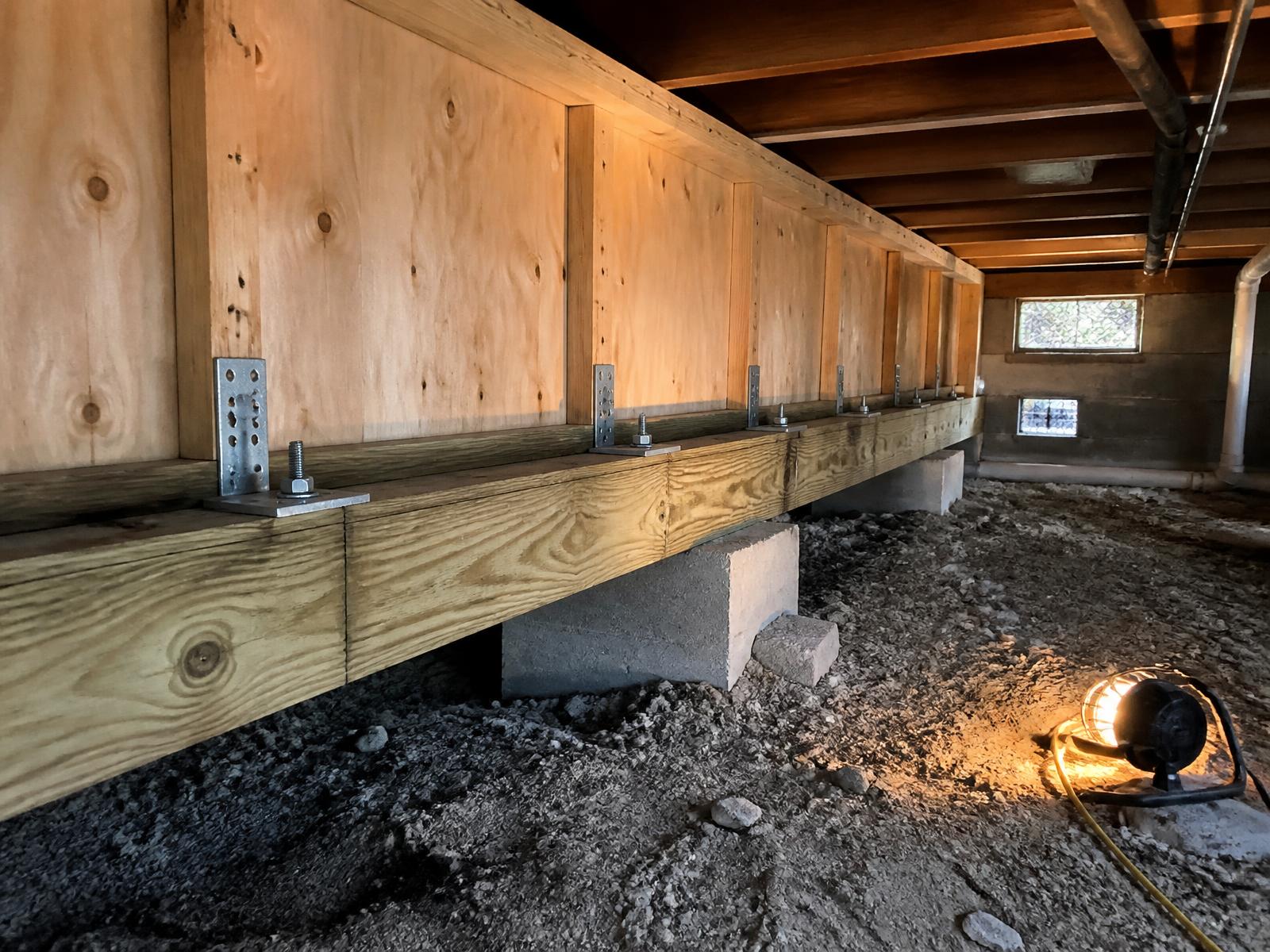
A foundation retrofit is the most effective way to protect an older home against earthquakes, soil movement and long-term structural wear. On pre-1980s East Bay houses it is often the single highest-value structural upgrade available.
Signs a foundation may need retrofitting
- Stair-step cracks in stucco, drywall or concrete
- Doors and windows that stick or no longer latch
- Sloping or bouncy floors
- Gaps opening between walls, ceilings and trim
- An unbolted mudsill or unbraced cripple wall in the crawl space
How the retrofit process works
- Inspection and assessment of the foundation, mudsill and cripple walls
- Engineered plan and city permit for the specific house
- Reinforcement — anchor bolts, foundation plates, plywood bracing and hardware
- Inspection sign-off and clean restoration of finishes
Is it worth the investment?
It prevents far more expensive structural repair later, is favorably viewed at resale, and in many cases helps with earthquake insurance. We handle the engineering and permitting so the scope is documented, not guessed at.