
Cracks in the walls, doors that won't slide right? Your foundation might be talking to you
Wall cracks, sticking doors, or earthquake damage? Learn the warning signs of foundation problems and how licensed foundation repair fixes them from the root. Free inspection.
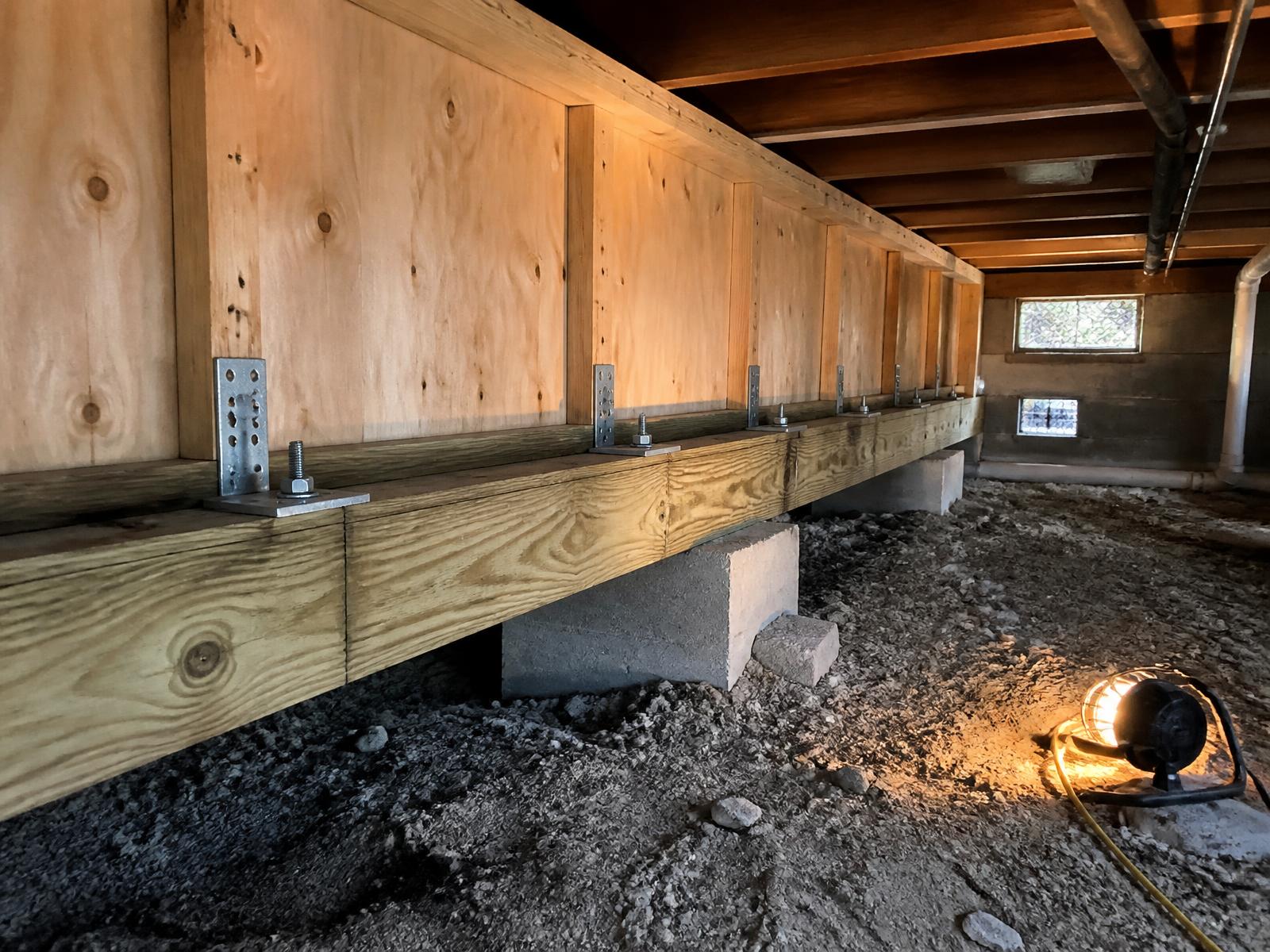
If you've noticed a crack creeping across a wall, a sliding glass door that used to glide open and now sticks or drags, or floors that feel just slightly uneven — these aren't just cosmetic annoyances. In the Bay Area, where seismic activity and shifting clay soils are part of daily life, these are often the first visible signs of a foundation problem. And foundation problems don't fix themselves — they get worse, quietly, until a small crack becomes a structural repair bill.
This guide walks through the warning signs, why they happen, and why the right fix always starts at the foundation — not the symptom.
Why Bay Area homes are especially prone to foundation issues
The East Bay sits on a mix of expansive clay soils and active fault lines. Two things make this a tough combination for home foundations.
- Seismic activity — even minor, non-damaging earthquakes cause repeated small shifts in the ground beneath a home over years. Foundations absorb that movement, and over time stress cracks form.
- Expansive soil — clay-heavy soil common throughout Contra Costa and Alameda counties swells when wet and shrinks when dry. That constant expansion and contraction puts uneven pressure on a foundation, especially on older homes built before modern soil engineering standards.
Add an aging housing stock — many East Bay homes are 40, 50, even 80+ years old — and foundation settling becomes less a question of “if” and more “when.”
Common signs your foundation may have a problem
Most homeowners notice the symptoms long before they think “foundation.” Here's what to watch for:
- Cracks in interior or exterior walls — especially diagonal cracks near windows and doors, or cracks that widen over time
- Doors and windows that stick, drag or won't latch properly — including sliding glass doors that used to move smoothly
- Uneven or sloping floors — a noticeable dip or slant, or furniture that seems to lean
- Gaps between walls and ceilings, or walls and floors
- Cracks in your driveway, patio or exterior stucco that line up with cracks inside the home
- Doors or windows that swing open or shut on their own due to an out-of-level frame
- Visible cracks in the foundation itself, if it's exposed or visible from a crawl space
If you're noticing more than one of these at the same time, it's worth getting it looked at — these symptoms often show up together because they share the same root cause.
Why you can't just fix the symptom
It's tempting to patch a wall crack, re-hang a sticking door or re-caulk a gap and call it done. But if the foundation underneath is still shifting, the same cracks and sticking doors will come back — often worse, and in more places.
Fixing foundation problems from the root means:
- A proper inspection to diagnose why the movement is happening (soil, drainage, seismic settling, original construction issues)
- An engineered repair plan — not a generic patch
- Permitted work that meets current Bay Area building and seismic codes
- Follow-through with plans and permits filed correctly with your city, so the work is documented and doesn't create issues when you sell your home later
A repair without permits or a real plan might look fine for a year or two — but it can hide problems from future inspections, cause issues during a home sale, and in the worst case leave your home genuinely unsafe in the next seismic event.
How Bay Harbor Remodeling approaches foundation repair
We handle foundation problems as a full process, not a patch job:
- Free on-site foundation inspection — we assess cracking, settling, drainage and soil conditions specific to your property
- Engineered repair & retrofit plans — every fix is designed around the actual cause, whether that's foundation repair, seismic retrofit or both
- Full permitting — we handle all permits and plans with your city so the work is code-compliant and properly documented
- Licensed construction — our team completes the repair with the same craftsmanship standard we bring to every remodel
- Follow-up — we make sure the fix holds, not just looks fixed
Because we're a full remodeling company — not just a foundation-only outfit — we can also address any related repairs the foundation issue may have caused, like drywall cracks, door and window realignment or flooring, all under one roof.
Notice cracks, sticking doors or uneven floors in your home? Don't wait for it to get worse. Schedule a free foundation inspection or call (925) 766-2200.
Frequently asked questions
- How do I know if my home's cracks are normal settling or a real foundation problem?
- Small hairline cracks in drywall are common and often harmless. Diagonal cracks, cracks wider than 1/8 inch, cracks that keep growing, or cracks paired with sticking doors or sloping floors are signs worth a professional inspection.
- Can earthquakes cause foundation damage even if my house wasn't visibly damaged at the time?
- Yes. Repeated minor seismic activity can cause gradual foundation stress that isn't obvious right away, but shows up months or years later as cracking or shifting.
- Why is my sliding door suddenly hard to open?
- A sliding door that starts sticking or dragging is often a sign the frame has shifted slightly out of level — usually due to foundation movement beneath that part of the house.
- Do I need a permit to repair my foundation in the Bay Area?
- Yes, foundation repair and seismic retrofit work typically requires permits from your city. Bay Harbor Remodeling handles all permitting and plans as part of the repair process.
- How much does foundation repair cost?
- Cost depends on the extent of the damage and the type of repair or retrofit needed. We provide a free, no-obligation on-site inspection and a detailed quote before any work begins.
- Is foundation retrofitting the same as foundation repair?
- Not exactly. Foundation repair fixes existing damage or settling. Seismic retrofitting reinforces a foundation to better withstand future earthquakes. Many homes benefit from both, especially older Bay Area homes.