Remodeling6 min read
Why older East Bay homes need electrical rewiring and panel updates
Outdated wiring is a fire and efficiency risk. The warning signs, what Title 24 and CALGreen require, and why homeowners are rewiring now.
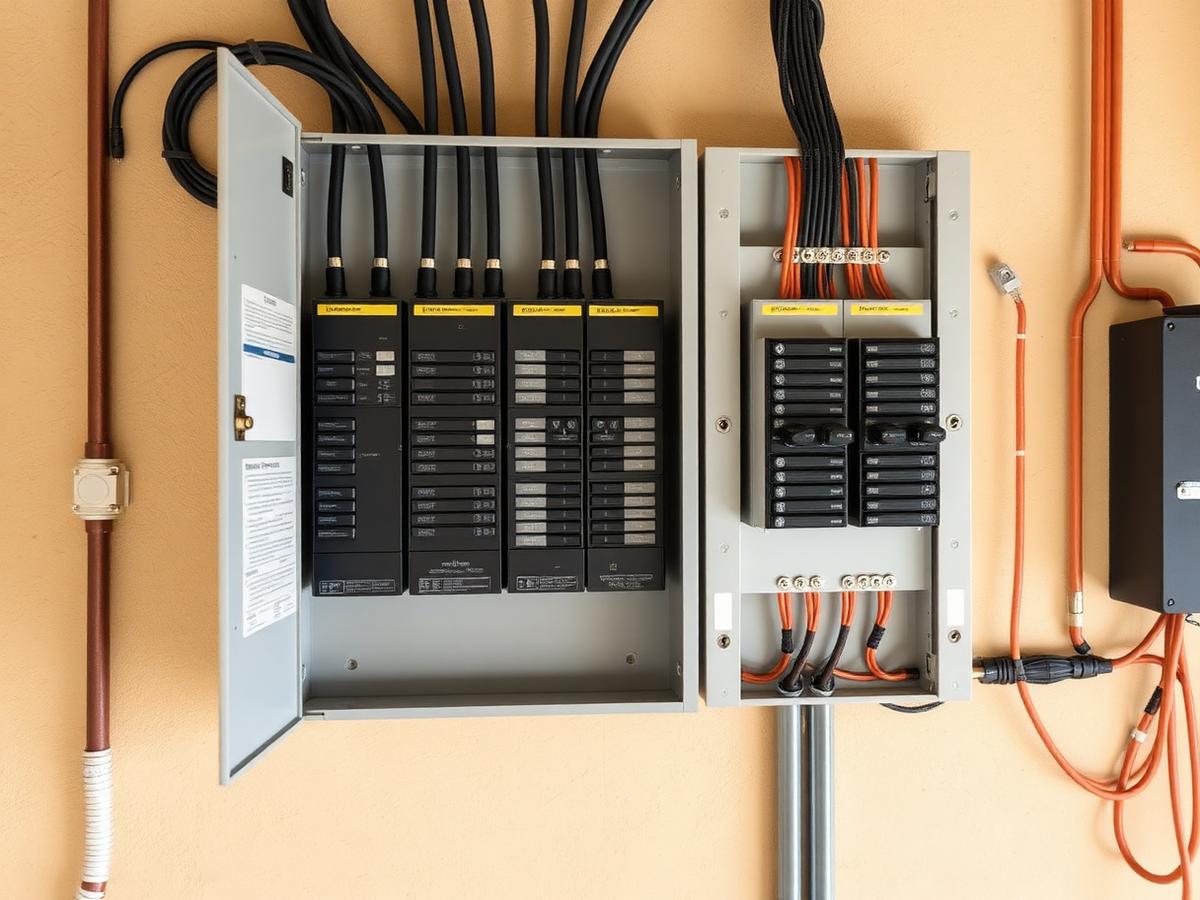
Plenty of East Bay homes still run on wiring and panels sized for a 1960s household. Add EV charging, heat pumps, induction cooking and a house full of electronics, and the system is being asked to do something it was never designed for.
Warning signs it's time
- Breakers that trip repeatedly
- Lights that flicker or dim when appliances start
- Outlets that feel warm or smell of burning
- Two-prong outlets, cloth-wrapped wiring or an undersized panel
- Not enough outlets, so everything lives on extension cords
Safety first
- Replacing frayed and overheating conductors removes a real fire risk
- Modern AFCI/GFCI protection is required in living and wet areas
- Updated work is inspected and documented for resale
Efficiency and code
California's Title 24 energy standards and CALGreen push electric-ready infrastructure — pre-wiring for EV chargers, solar and battery storage. Doing that during a remodel costs a fraction of retrofitting it later.
- Right-sized panel and subpanels for future loads
- Dedicated circuits for kitchen, laundry and EV charging
- LED lighting and smart controls to cut baseline usage
Why this is not a DIY job
Rewiring is permitted, inspected work. Licensed installation protects the warranty, the insurance claim and the people living in the house.